
Men's Pelvic Health: Breaking the Stigma and Understanding Your Options

Why pelvic floor physiotherapy isn't just for women—and how it can help men with incontinence, erectile dysfunction, pelvic pain, and more
In the last few weeks, I've had quite a few male patients come through my doors for pelvic floor physiotherapy.
And I want to talk about that. Because while there's stigma around women's pelvic health, there's even more stigma around men's pelvic health.
Women might joke about urinary leakage—"Don't make me laugh or I'll pee my pants!" It's still uncomfortable, but at least it's something people acknowledge exists.
For men? This topic is met with silence. Discomfort. Shame.
And a lot of men don't even know that pelvic floor physiotherapy is an option for them—or how it can help.
So let's change that.
The Reality: Men's Pelvic Health Issues Are Common
Here's a statistic that might surprise you:
1 in 9 men will experience urinary incontinence in their lifetime.
One in nine. That's not rare. And the prevalence increases as men age.
Beyond incontinence, men also experience:
Erectile dysfunction – A huge function of the pelvic floor is maintaining sexual health. If erectile dysfunction is an issue, pelvic floor physiotherapy can be part of the solution.
Pelvic pain – Chronic pelvic pain affects men too, and it's often misunderstood or dismissed.
Urinary frequency – Needing to urinate often during the day, or multiple times throughout the night, can significantly impact quality of life.
Post-prostatectomy issues – Men recovering from prostate surgery often experience incontinence and sexual dysfunction. Pelvic floor physiotherapy is a proven, evidence-based intervention for recovery.
These are real, treatable conditions. But many men suffer in silence because they don't know help is available—or they're too uncomfortable to ask.
What Is Pelvic Floor Physiotherapy for Men?
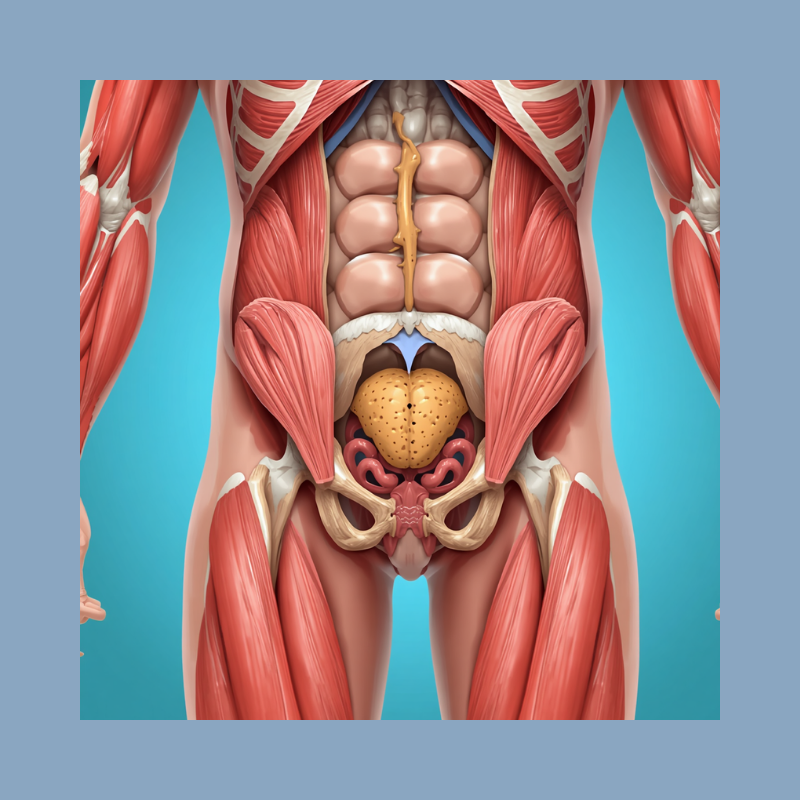
The pelvic floor is a group of muscles that sit at the base of the pelvis. In men, these muscles support bladder and bowel function, contribute to sexual function, and help stabilize the core.
When these muscles aren't functioning properly—whether they're too weak, too tight, or uncoordinated—it can lead to a range of issues:
Leaking urine (stress incontinence, urge incontinence, or post-void dribbling)
Difficulty emptying the bladder completely
Erectile dysfunction or difficulty maintaining an erection
Pain in the pelvis, groin, penis, testicles, or rectum
Painful ejaculation
Frequent urination or urgency
Waking multiple times at night to urinate
Constipation or difficulty with bowel movements
Pelvic floor physiotherapy addresses these issues through:
Assessment – Understanding what's happening with your pelvic floor muscles and how they're contributing to your symptoms
Education – Learning about your pelvic floor, what's causing your symptoms, and what you can do about it
Manual therapy – Hands-on techniques to release tension, improve muscle function, and address pain
Exercises – Strengthening, relaxing, or retraining the pelvic floor muscles depending on what your body needs
Behavioral strategies – Bladder and bowel management techniques, lifestyle modifications, and strategies to improve symptoms
It's personalized, evidence-based care that treats the root cause—not just the symptoms.
Why the Stigma?
Let's be honest: talking about urinary leakage, erectile dysfunction, or pelvic pain is uncomfortable.
For men, there's often an added layer of shame tied to ideas about masculinity, strength, and control. Admitting you're struggling with something "down there" can feel like admitting weakness.
But here's the truth: These conditions are medical issues. Not moral failings. Not signs of weakness.
Your pelvic floor is made of muscles. And like any muscle in your body, it can become weak, tight, or dysfunctional.
You wouldn't feel ashamed about seeking treatment for a shoulder injury or knee pain. Your pelvic floor deserves the same care and attention.
When Should Men Consider Pelvic Floor Physiotherapy?
If you're experiencing any of the following, pelvic floor physiotherapy may help:
✓ Urinary incontinence – Leaking when you cough, sneeze, lift, or exercise; sudden urges to urinate; dribbling after urination
✓ Erectile dysfunction – Difficulty achieving or maintaining an erection
✓ Pelvic pain – Chronic pain in the pelvis, groin, penis, testicles, perineum, or rectum
✓ Urinary frequency or urgency – Needing to urinate often during the day or waking multiple times at night
✓ Post-prostate surgery recovery – Incontinence or sexual dysfunction following prostatectomy
✓ Constipation or difficulty with bowel movements – Straining, incomplete evacuation, or pain
✓ Pain during or after ejaculation
You don't have to live with these symptoms. And you don't have to accept them as "just part of aging."
What to Expect in a Men's Pelvic Health Appointment
I know the idea of pelvic floor physiotherapy can feel intimidating—especially if you're not sure what to expect.
Here's what a typical appointment might look like:
1. Conversation
We start by talking. What are your symptoms? When did they start? What makes them better or worse? What have you tried so far? This conversation helps me understand what's going on and what might be contributing to your symptoms.
2. Assessment
Depending on your symptoms, assessment may include:
Reviewing your bladder and bowel habits
Assessing your posture, breathing, and core function
Evaluating pelvic floor muscle function (this can be done externally or internally, depending on what's needed and what you're comfortable with)
Internal assessment is not always necessary—and when it is, it's only done with your full consent and understanding of why it's helpful.
3. Treatment Plan
Based on the assessment, we create a personalized plan. This might include exercises, manual therapy, education, lifestyle modifications, or referrals to other healthcare providers if needed.
4. Ongoing Support
Pelvic floor physiotherapy isn't a one-and-done appointment. It's a process. We work together over several sessions to address your symptoms, track progress, and adjust the plan as needed.
You're Not Alone
If you're struggling with any of these issues, know this: You are not alone.
1 in 9 men experience urinary incontinence. Erectile dysfunction affects millions of men. Pelvic pain is more common than you think.
And help is available.
Pelvic floor physiotherapy is evidence-based, effective, and—most importantly—designed to help you regain control, confidence, and quality of life.
You don't have to accept these symptoms as inevitable. You don't have to suffer in silence.
Let's Normalize This Conversation
Men's pelvic health matters.
It's time to talk about it openly. To normalize seeking help. To break the stigma that keeps men from getting the care they deserve.
If you're experiencing urinary incontinence, erectile dysfunction, pelvic pain, or any of the issues we've discussed—pelvic floor physiotherapy can help.
And if you know a man who's struggling, share this with him. Sometimes the hardest part is knowing where to start.
Ready to take the next step?
Book an appointment with Nicola at Diamond Physiotherapy. We'll work together to understand what's happening, create a personalized treatment plan, and help you feel like yourself again.
📍 Learn more or book at www.diamondphysiotherapy.ca
At Diamond Physiotherapy, we provide compassionate, evidence-based pelvic floor physiotherapy for people of all genders. Your health matters. Your comfort matters. And we're here to help.
Nicola Robertson
Physiotherapist