
Understanding TMJ Disorders and What Actually Helps
You wake up with a headache. Again. Your jaw feels tight, maybe clicks when you yawn.
By midday, there's an ache radiating up toward your ear. You've tried heat packs, over-the-counter pain relievers, even cutting back on chewy foods—but the discomfort keeps coming back.
If this sounds familiar, you're not alone. Temporomandibular joint (TMJ) disorders affect between 5-12% of adults, with women experiencing them more frequently than men. But here's what might surprise you: the source of your jaw pain often isn't just your jaw.
What is TMJ, Really?
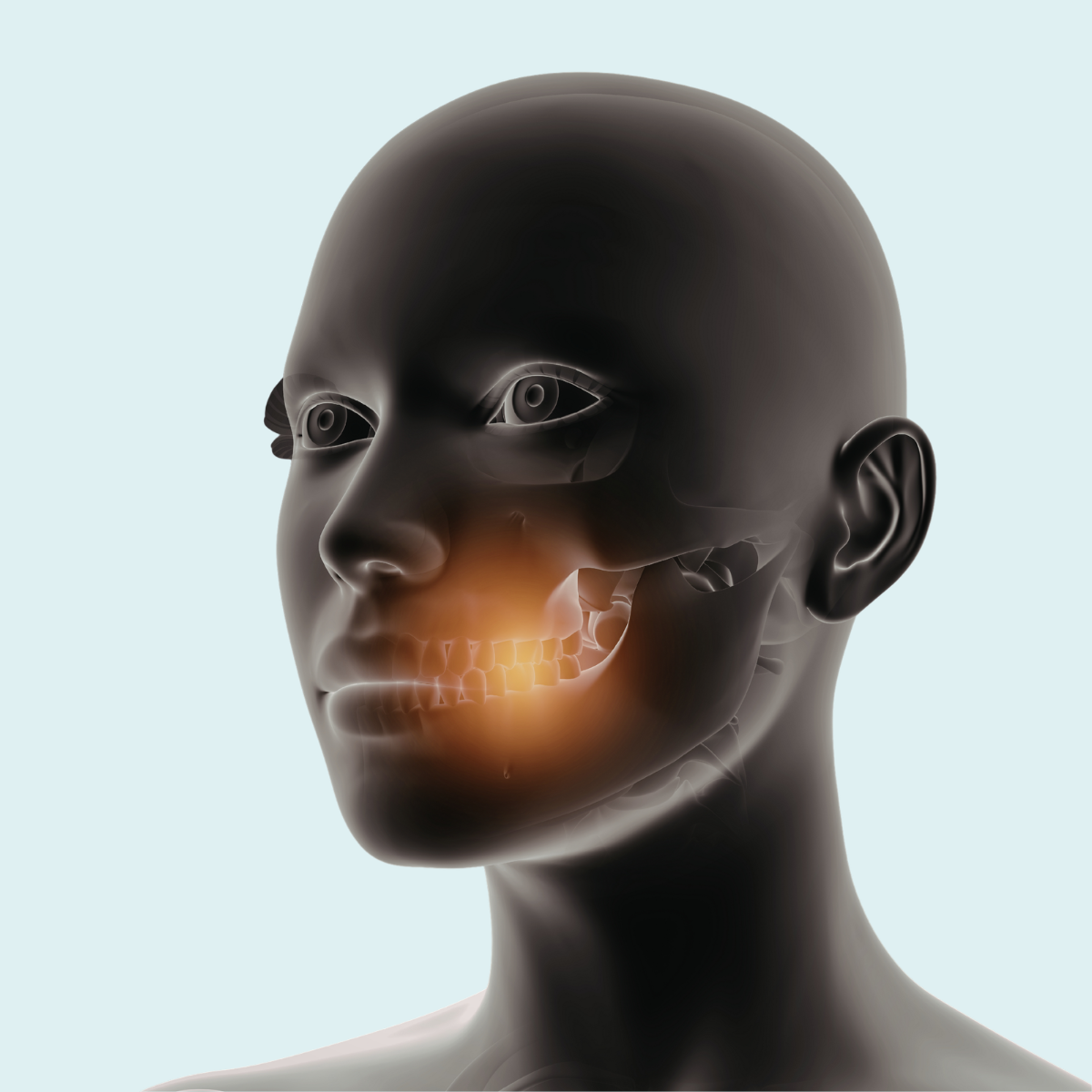
The temporomandibular joint connects your jawbone to your skull, sitting just in front of each ear. It's one of the most complex joints in your body—capable of moving side to side, forward and back, and up and down. You use it constantly: talking, chewing, yawning, even resting your face in a certain expression.
When something goes wrong with this joint or the muscles around it, the result is what we call TMJ disorder (or TMD). Symptoms can include:
Jaw pain or tenderness
Clicking, popping, or grating sounds
Difficulty or discomfort when chewing
Locking of the jaw
Headaches (often mistaken for migraines or tension headaches)
Ear pain or pressure
Facial pain or fatigue
The Muscle Connection: Where Most TMJ Pain Actually Lives
Here's a critical fact that often gets overlooked: most TMJ pain comes from the muscles, not the joint itself.
Your jaw muscles—the masseter, temporalis, and pterygoids—can become overworked, tight, and painful from:
Clenching or grinding (often stress-related, and frequently happening at night without you realizing it)
Prolonged jaw positioning (like holding your phone between your ear and shoulder, or maintaining tension in your jaw during stressful moments)
Compensatory patterns from other areas of your body
And here's the thing: imaging like X-rays or MRIs might look completely normal even when you're experiencing significant pain. Why? Because pain doesn't equal damage. Your muscles can be the source of real, debilitating discomfort without any structural problem showing up on a scan.
The Neck-Jaw Connection You Need to Know About
Let's talk about posture. Specifically, forward head posture—that position many of us find ourselves in when working at a computer, scrolling on our phones, or hunching over a desk.
When your head moves forward, it increases the load on your jaw. Your neck muscles have to work harder, your jaw muscles compensate, and suddenly you're dealing with a cycle of tension that keeps feeding itself.
Research shows that neck dysfunction can maintain or even cause TMJ pain. Treating the neck often improves jaw symptoms—sometimes dramatically.
Think of it this way: your jaw and neck work as a team. If one team member is struggling, the other has to pick up the slack. Eventually, both get overworked.
What About That Clicking Sound?
One of the most common concerns people have is jaw clicking or popping. Let's clear this up: clicking alone doesn't mean something is wrong.
Clicking often means the disc inside your TMJ is moving (which is actually what it's supposed to do). If you have clicking but no pain and no locking, it's usually not a problem.
However, if you're experiencing pain along with clicking, or if your jaw occasionally locks (gets stuck open or closed), that's worth having assessed by a physiotherapist who specializes in TMJ.
Sound alone isn't a diagnosis—context matters.
The Stress Factor
Stress is a massive contributor to TMJ disorders, and it works in two ways:
Direct muscle tension: When you're stressed, you may unconsciously clench your jaw or hold tension in your face and neck. This overloads the jaw muscles.
Sleep bruxism: Many people grind or clench their teeth at night without knowing it. You might wake up with a sore jaw, tooth sensitivity, or a headache—all signs that your jaw has been working overtime while you sleep.
Managing stress isn't just good for your mental health—it's essential for managing TMJ pain.
What Actually Helps: Conservative Treatment Works
Here's the really good news: most TMJ disorders respond well to conservative, non-invasive treatment. Surgery is rarely needed.
Physiotherapy is considered the first-line treatment for TMJ disorders, and it's effective. Here's what that might include:
1. Education
Understanding what's happening with your jaw, what's contributing to your pain, and what to expect can significantly reduce anxiety and help you make informed decisions about your care.
2. Manual Therapy
Gentle hands-on techniques to release tight muscles, improve joint mobility, and address tension in your jaw, neck, and shoulders.
3. Targeted Exercises
Exercises to strengthen, stretch, and retrain the muscles around your jaw and neck. These help restore balanced movement patterns and build resilience.
4. Posture and Ergonomics
Addressing how you sit, work, and hold your body throughout the day. Small changes can have a big impact.
5. Self-Management Strategies
Tools you can use at home—like relaxation techniques, heat or cold therapy, gentle jaw stretches, and awareness practices to catch and release jaw tension before it builds up.
6. Stress Management
Because stress plays such a significant role, incorporating stress-reduction techniques—whether that's mindfulness, breathing exercises, therapy, or simply building in rest—can be a game-changer.
When to Seek Help
You don't have to wait until your pain is unbearable to seek treatment. In fact, early intervention often leads to better outcomes.
Consider reaching out to a physiotherapist who specializes in TMJ if:
Jaw pain is interfering with eating, talking, or sleeping
You're experiencing frequent headaches or ear pain
Your jaw clicks or pops with pain or locking
You've noticed increased tension in your jaw, neck, or face
You're avoiding certain foods or activities because of your jaw
You Don't Have to Just Live With It
TMJ pain is common—but common doesn't mean normal, and it certainly doesn't mean you have to accept it.
Your jaw, your neck, your stress levels, and your daily habits all play a role. With the right support, education, and treatment, most people see significant improvement.
If you're dealing with jaw pain, tension, or clicking, know this: it's treatable. You don't need to manage it alone, and you don't need to wait for it to get worse before doing something about it.
Ready to address your TMJ pain?
At Diamond Physiotherapy, Nilam Gill specializes in TMJ rehabilitation with a compassionate, whole-person approach. She'll work with you to understand what's contributing to your symptoms and create a personalized treatment plan that fits your life.
📍 Learn more or book an appointment at www.diamondphysiotherapy.ca
Nicola Robertson
Physiotherapist